Decarbonising the ceramic industry is one of the sector’s greatest strategic challenges in Europe. It is not only about reducing emissions, but doing so without compromising competitiveness, production continuity or companies’ ability to continue manufacturing in a highly demanding global environment.
This track must address the energy transition from a realistic, industrial and economically viable perspective. The ceramic industry is highly energy-intensive, particularly in drying and firing processes, so any decarbonisation strategy must rigorously assess available technological alternatives, their level of maturity, implementation costs and impact on final product quality.
One of the key topics is the electrification of industrial processes. Although often presented as a priority solution, it is essential to evaluate which stages of ceramic production can realistically be electrified, using which technologies, at what cost and with what energy infrastructure availability. Electrification should not be approached as a general principle, but as a technical option to be validated case by case.
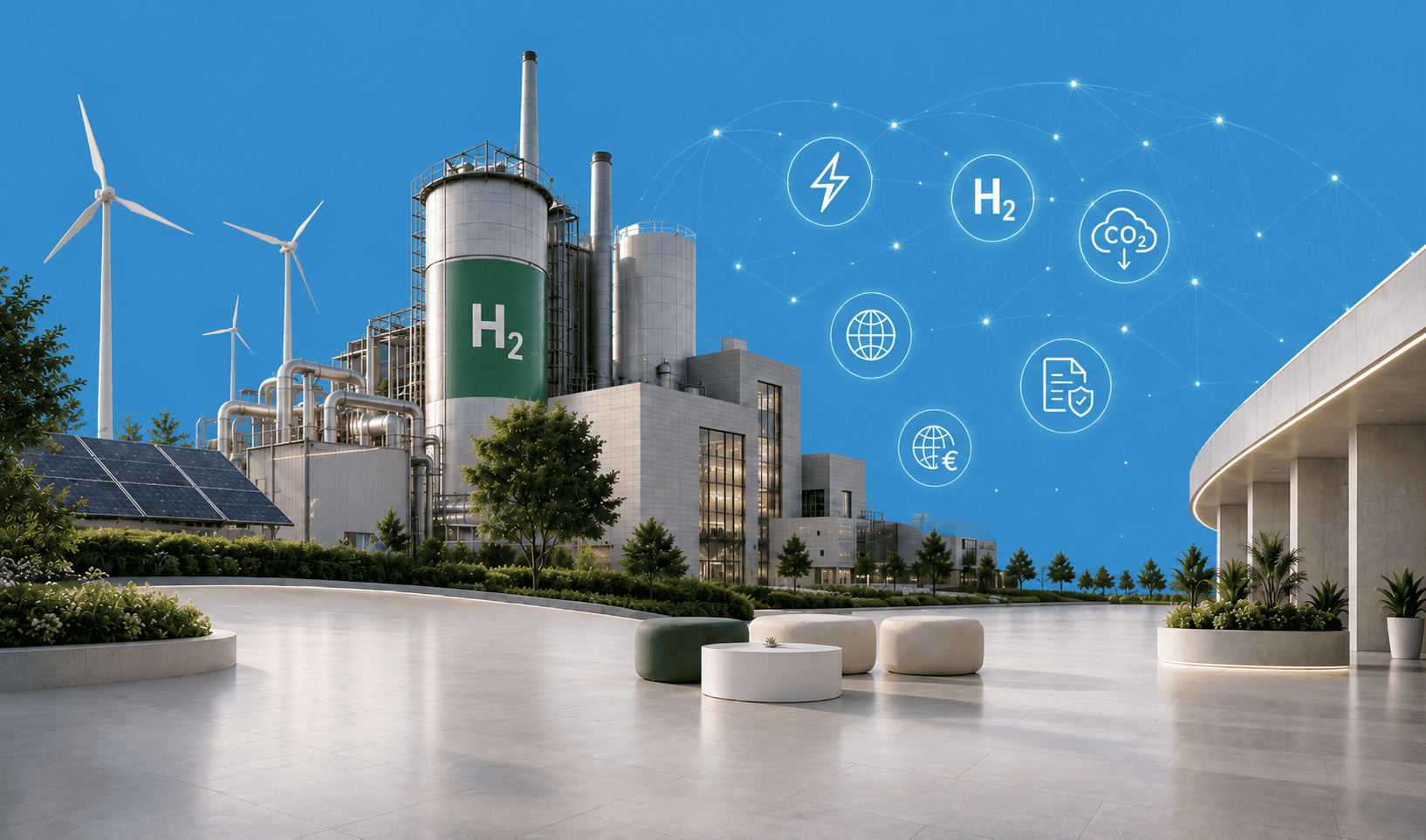
Hydrogen will also play a relevant role in this track, but from a critical and objective perspective. Its potential as an energy vector, technical limitations, future availability, real costs and impact on kilns, burners, process stability and emissions must all be assessed to distinguish expectations from industrial reality.
Carbon capture, use and storage (CCUS) may also become a relevant line of work, particularly for emissions that are difficult to eliminate through direct energy changes. Its applicability to the ceramic sector, scalability, cost and integration into existing plants must be carefully analysed.
The impact of energy costs on global competitiveness must also be included. European ceramic manufacturers compete with producers in regions with lower regulatory and energy costs, making it essential to link decarbonisation with industrial competitiveness.
Finally, European regulatory implications must be addressed: emissions trading schemes, climate targets, carbon border adjustment mechanisms, green taxonomy, environmental reporting requirements and future carbon footprint reductions.